
Destinations

Philippines
The Philippines is the third largest English speaking country in the world. It has a rich history combining Asian, European, and American influences. Prior to Spanish colonization in 1521, the Filipinos had a rich culture and were trading with the Chinese and the Japanese. Spain's colonization brought about the construction of Intramuros in 1571, a "Walled City" comprised of European buildings and churches, replicated in different parts of the archipelago. In 1898, after 350 years and 300 rebellions, the Filipinos, with leaders like Jose Rizal and Emilio Aguinaldo, succeeded in winning their independence. In 1898, the Philippines became the first and only colony of the United States. Following the Philippine-American War, the United States brought widespread education to the islands. Filipinos fought alongside Americans during World War II, particularly at the famous battle of Bataan and Corregidor which delayed Japanese advance and saved Australia. They then waged a guerilla war against the Japanese from 1941 to 1945. The Philippines regained its independence in 1946. Filipinos are a freedom-loving people, having waged two peaceful, bloodless revolutions against what were perceived as corrupt regimes.
Malaysia
To know Malaysia is to love Malaysia - a bubbling, bustling melting-pot of races and religions where Malays, Indians, Chinese and many other ethnic groups live together in peace and harmony. Our multiculturalism has made Malaysia a gastronomical paradise and home to hundreds of colorful festivals. It's no wonder that we love celebrating and socializing. As a people, Malaysians are very relaxed, warm and friendly. Geographically, Malaysia is almost as diverse as its culture. 11 states and 2 federal territories (Kuala Lumpur and Putrajaya) form Peninsular Malaysia which is separated by the South China Sea from East Malaysia which includes the 2 states (Sabah and Sarawak on the island of Borneo) and a third federal territory, the island of Labuan. One of Malaysia's key attractions is its extreme contrasts which further add to this theme of ‘diversity’. Towering skyscrapers look down upon wooden houses built on stilts while five-star hotels sit just meters away from ancient reefs. Rugged mountains reach dramatically for the sky while their rainforest-clad slopes sweep down to floodplains teeming with forest life. Cool highland hideaways roll down to warm, sandy beaches and rich, humid mangroves.


Thailand
Thailand is a Southeast Asian country. It's known for tropical beaches, opulent royal palaces, ancient ruins and ornate temples displaying figures of Buddha. In Bangkok, the capital, an ultramodern cityscape rises next to quiet canalside communities and the iconic temples of Wat Arun, Wat Pho and the Emerald Buddha Temple (Wat Phra Kaew). Nearby beach resorts include bustling Pattaya and fashionable Hua Hin.
Indonesia
Indonesia, a Southeast Asian nation made up of thousands of volcanic islands, is home to hundreds of ethnic groups speaking many different languages. It’s known for beaches, volcanoes, Komodo dragons and jungles sheltering elephants, orangutans and tigers. On the island of Java lies Indonesia's vibrant, sprawling capital, Jakarta, and the city of Yogyakarta, known for gamelan music and traditional puppetry.


Vietnam
Vietnam is a Southeast Asian country on the South China Sea known for its beaches, rivers, Buddhist pagodas and bustling cities. Hanoi, the capital, pays homage to the nation’s iconic Communist-era leader, Ho Chi Minh, via a huge marble mausoleum. Ho Chi Minh City (formerly Saigon) has French colonial landmarks, plus Vietnamese War history museums and the Củ Chi tunnels, used by Viet Cong soldiers.
Cambodia
Cambodia is a Southeast Asian nation whose landscape spans low-lying plains, the Mekong Delta, mountains and Gulf of Thailand coastline. Phnom Penh, its capital, is home to the art deco Central Market, glittering Royal Palace and the National Museum's historical and archaeological exhibits. In the country's northwest are the ruins of Angkor Wat, a massive stone temple complex built during the Khmer Empire.


Laos
Laos is a Southeast Asian country traversed by the Mekong River and known for mountainous terrain, French colonial architecture, hill tribe settlements and Buddhist monasteries. Vientiane, the capital, is the site of the That Luang monument, where a reliquary reportedly houses the Buddha’s breastbone, plus the Patuxai war memorial and Talat Sao (Morning Market), a complex jammed with food, clothes and craft stalls.
Singapore
Singapore, an island city-state off southern Malaysia, is a global financial center with a tropical climate and multicultural population. Its colonial core centers on the Padang, a cricket field since the 1830s and now flanked by grand buildings such as City Hall, with its 18 Corinthian columns. In Singapore's circa-1820 Chinatown stands the red-and-gold Buddha Tooth Relic Temple, said to house one of Buddha's teeth.

Australia
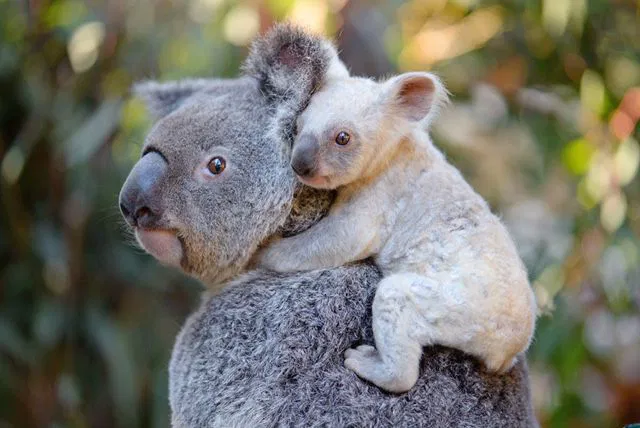
Australia is a country and continent surrounded by the Indian and Pacific oceans. Its major cities – Sydney, Brisbane, Melbourne, Perth, Adelaide – are coastal. Its capital, Canberra, is inland. The country is known for its Sydney Opera House, the Great Barrier Reef, a vast interior desert wilderness called the Outback, and unique animal species like kangaroos and duck-billed platypuses.
India
India is a vast South Asian country with diverse terrain – from Himalayan peaks to Indian Ocean coastline – and history reaching back 5 millennia. In the north, Mughal Empire landmarks include Delhi’s Red Fort complex and massive Jama Masjid mosque, plus Agra’s iconic Taj Mahal mausoleum. Pilgrims bathe in the Ganges in Varanasi, and Rishikesh is a yoga centre and base for Himalayan trekking.

China
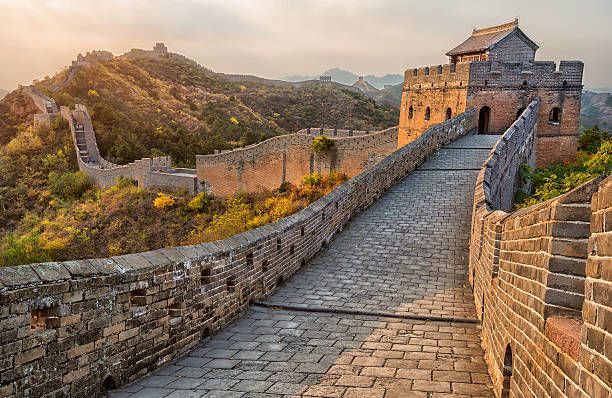
China is a populous nation in East Asia whose vast landscape encompasses grassland, desert, mountains, lakes, rivers and more than 14,000km of coastline. Capital Beijing mixes modern architecture with historic sites such as the Forbidden City palace complex and Tiananmen Square. Shanghai is a skyscraper-studded global financial center. The iconic Great Wall of China runs east-west across the country's north.
Hong Kong
Hong Kong is an autonomous territory, and former British colony, in southeastern China. Its vibrant, densely populated urban centre is a major port and global financial hub with a skyscraper-studded skyline. Central (the business district) features architectural landmarks like I.M. Pei’s Bank of China Tower. Hong Kong is also a major shopping destination, famed for bespoke tailors and Temple Street Night Market.


Macau
Macau is an autonomous region on the south coast of China, across the Pearl River Delta from Hong Kong. A Portuguese territory until 1999, it reflects a mix of cultural influences. Its giant casinos and malls on the Cotai Strip, which joins the islands of Taipa and Coloane, have earned it the nickname, "Las Vegas of Asia." One of its more striking landmarks is 338m-high Macau Tower, with sweeping city views.
Japan
Japan has a long history as a tourist destination, dating back to the Edo period (1603–1868), when domestic travelers visited temples, shrines, and hot springs. In the late 19th and early 20th centuries, Japan opened to international tourism, attracting Western visitors fascinated by its unique culture and traditions. After World War II, tourism grew rapidly with economic recovery, modern infrastructure, and global interest in Japanese heritage, cuisine, and technology. Today, Japan is one of the world’s top travel destinations, known for its mix of ancient traditions, futuristic cities, and natural beauty.

South Korea
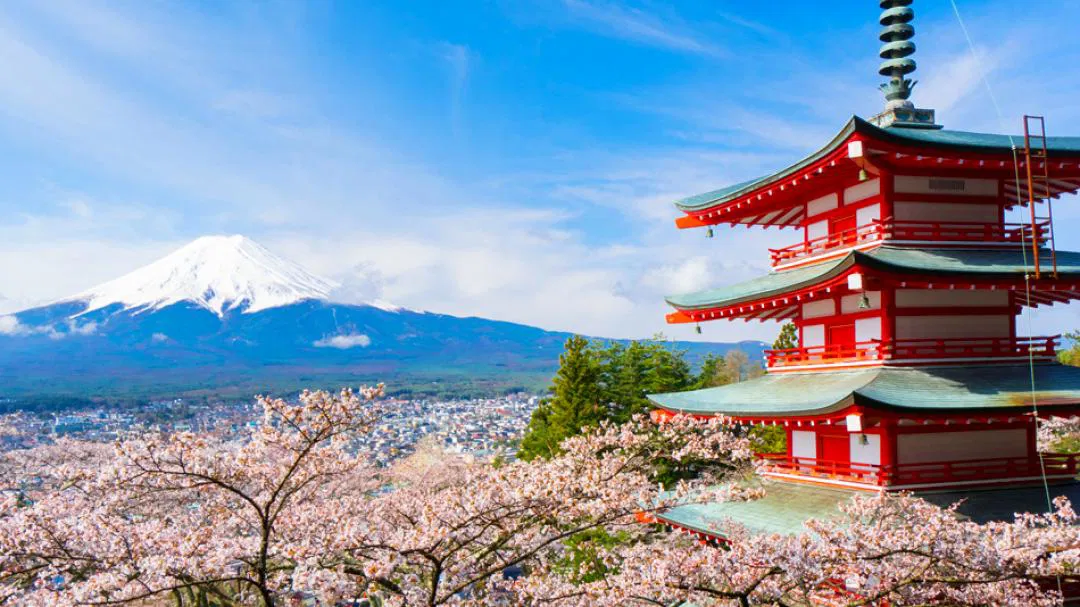
South Korea’s tourism history dates back to the Joseon Dynasty (1392–1897), when travelers visited historical sites, temples, and natural landscapes. In the mid-20th century, tourism developed slowly due to war and economic struggles, but rapid modernization in the late 20th century transformed the country into a major global destination. The 1988 Seoul Olympics boosted international tourism, showcasing Korea’s culture, technology, and urban development. Today, South Korea attracts millions of visitors with its K-pop culture, traditional palaces, vibrant cities, and scenic nature.
Nepal
Nepal, officially the Federal Democratic Republic of Nepal, is a landlocked country in South Asia. It is located mainly in the Himalayas but also includes parts of the Indo-Gangetic Plain. With an estimated population of 26.4 million, it is 48th largest country by population and 93rd largest country by area. Kathmandu Capital of Nepal Kathmandu, Nepal's capital, is set in a valley surrounded by the Himalayan mountains. At the heart of the old city’s mazelike alleys is Durbar Square, which becomes frenetic during Indra Jatra, a religious festival featuring masked dances. Many of the city's historic sites were damaged or destroyed by a 2015 earthquake. Durbar Square's palace, Hanuman Dhoka, and Kasthamandap, a wooden Hindu temple, are being rebuilt.The square's Maju Deval, a pagoda known for its steep stairs, is also being rebuilt. The city’s other notable religious sites being rebuilt include Swayambhunath, a Buddhist temple known as the “Monkey Temple” for its main inhabitants, and Boudhanath, a massive Buddhist stupa. Pashupatinath, a Hindu temple dating to the 1400s, survived the earthquake.

Bhutan
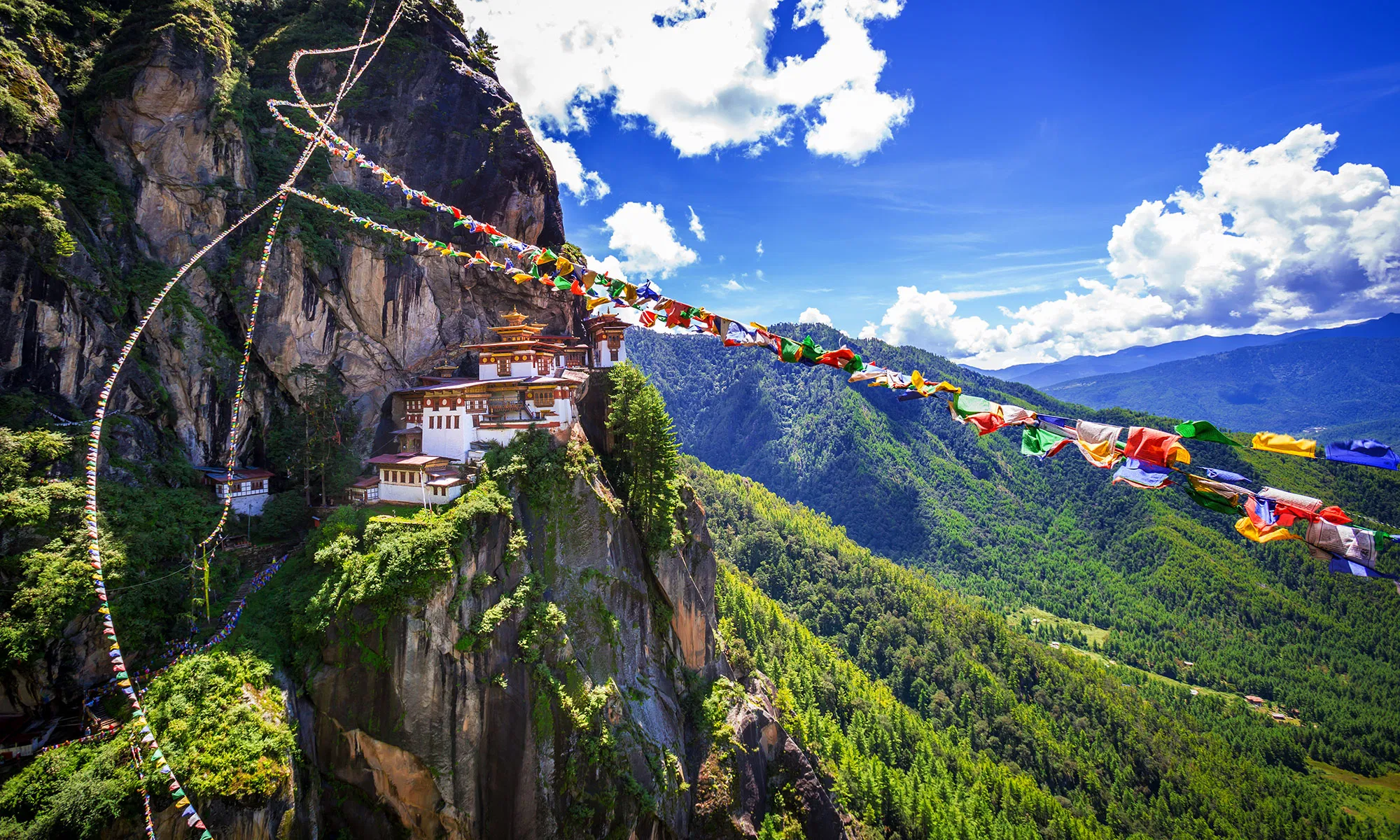
Bhutan, a Buddhist kingdom on the Himalayas’ eastern edge, is known for its monasteries, fortresses (or dzongs) and dramatic landscapes that range from subtropical plains to steep mountains and valleys. In the High Himalayas, peaks such as 7,326m Jomolhari are popular trekking destinations. Paro Taktsang monastery (also known as Tiger’s Nest) clings to cliffs above the forested Paro Valley.The capital, Thimphu, is home to a bustling weekend market and the ornate Tashichho Dzong, which serves as the government seat. The historic Punakha Dzong, built in 1637, sits at the juncture of 2 rivers and hosts a lavish, multiday religious festival that features masked dances and music. The Phobjikha Valley, habitat for rare black-necked cranes, is a bird-watching destination. As independent travel to Bhutan is not allowed, most visitors book through a tour operator.
Tibet
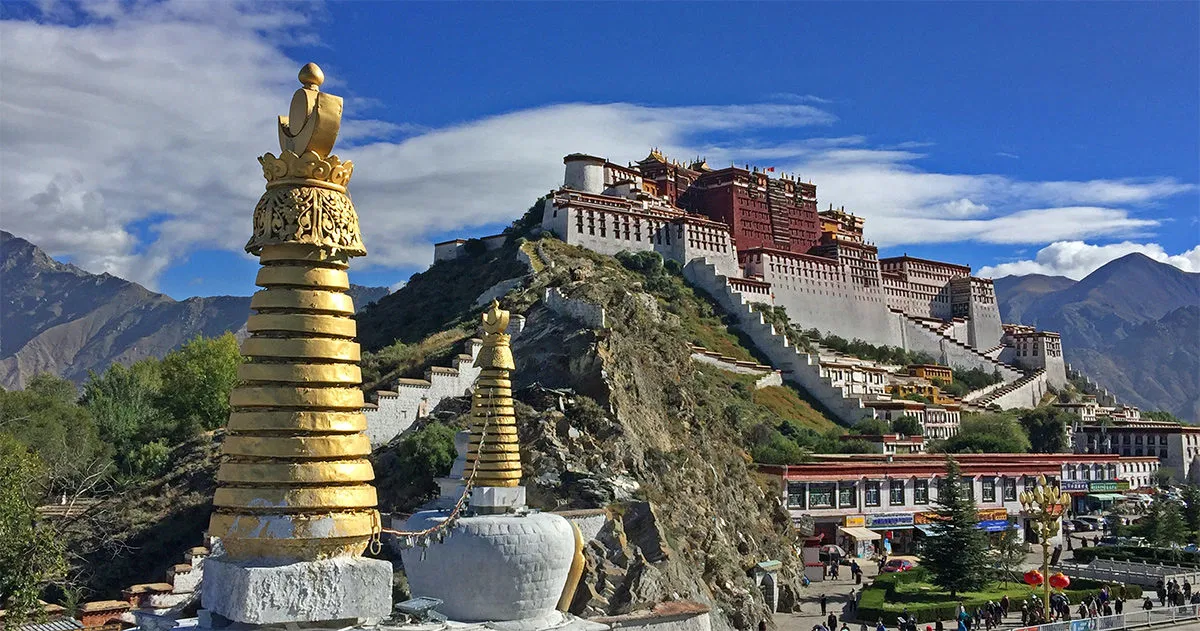
Tibet, on the lofty Tibetan Plateau on the northern side of the Himalayas, is an autonomous region of China. It's nicknamed the “Roof of the World” for its towering peaks. It shares Mt. Everest with Nepal. Its capital, Lhasa, is site of hilltop Potala Palace, once the Dalai Lama’s winter home, and Jokhang Temple, Tibet’s spiritual heart, revered for its golden statue of the young Buddha.

Fiji
Fiji is a beautiful tourist destination known for its clear blue waters, white sandy beaches, and warm tropical climate. Visitors enjoy activities such as snorkeling, scuba diving, and swimming among colorful coral reefs and marine life. The country also has lush rainforests, waterfalls, and natural parks that attract nature lovers. Tourists can experience the local culture through traditional dances, food, and friendly hospitality.